
The Rise of Thermally Modified Wood: A Durable and Eco-Friendly Choice for Outdoor Projects
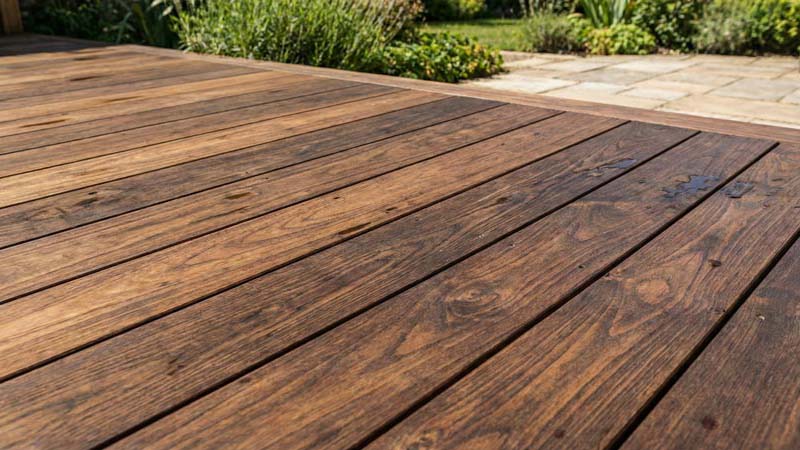
The Rise of Thermally Modified Wood: A Durable and Eco-Friendly Choice for Outdoor Projects - A step into the workshop.
Stop Wasting Wood
Generate clear cut diagrams instantly with our new Cutlist Optimizer. Plan your cuts to make your next build easier.
Cooked to Perfection: Why Thermally Modified Wood is My New Go-To for Texas-Tough Outdoor Builds
Down here in Austin, the sun doesn't play games. It's a relentless hammer that, paired with our swampy humidity, will test every single thing you build. I’ve seen outdoor projects that looked great in the spring turn into a warped, rotten mess by the time football season starts. I’m talking about splintered deck boards, twisted outdoor furniture, and siding that looks like it’s trying to peel itself off the wall. It’s a constant battle, and if you’re using cheap materials, you’ve already lost.
For years, the choice was simple but flawed. You either used pressure-treated lumber pumped full of chemicals I wouldn’t want near my family, or you shelled out a fortune for tropical hardwoods that raise a lot of questions about sustainability. I've always been a guy who believes in using the right tool for the job, and that extends to the wood itself. For me, nothing beats the iron-like density of a good piece of Texas Live Oak or the sheer character of Mesquite. But those are heavy, often expensive, and not right for every project.
So, when I started hearing the buzz about thermally modified wood (TMW), my ears perked up. The claim? A chemical-free process that turns common, sustainable woods like Poplar or Pine into a durable, rot-resistant material that can stand up to the elements. A wood that performs like an exotic hardwood without the environmental baggage. It sounded too good to be true. But after digging in and getting my hands on some, I can tell you this: it’s the real deal. This stuff is a game-changer for anyone who wants to build something that lasts.
The Grit: Baking the Weakness Right Out of the Wood
So what is this stuff, really? It’s not a brand. It’s not a coating. It's a process. And it’s brutally effective. Imagine taking a regular piece of American Ash or Poplar and putting it into a specialized, oxygen-starved oven. You crank the heat way up, and you essentially cook the wood. This isn't just drying it; it's a deep, cellular transformation.
The intense heat changes the wood on a fundamental level. It cooks out the sugars and organic compounds that fungi, mold, and insects love to feast on. That’s your rot and pest resistance, right there. But more importantly, it changes how the wood interacts with water. The cell walls are altered so they absorb significantly less moisture. Here in Texas, where the air is practically water half the year, that’s huge. Less moisture absorption means less swelling, less shrinking, and a whole lot more dimensional stability. That means your boards stay straight and your joints stay tight.
Think of it like forging steel. You apply intense heat to change its properties, to make it harder, to make it more reliable for a specific purpose. This is the same principle, applied to wood. You’re taking a decent, everyday material and turning it into a high-performance product. According to the experts over at Build With Rise, this method gives domestic woods "enhanced stability and resistance to rot" that puts it in the same league as the tough stuff. You get a finished product that looks a lot like a rich, dark tropical hardwood, but it’s surprisingly lightweight and comes from a responsibly managed forest right here at home.
This isn’t about cutting corners. It’s the opposite. It’s about being smarter. It’s about building with a material that’s engineered for longevity without soaking it in a chemical soup. I wouldn’t build my kid’s playset out of pressure-treated lumber, and I sure as hell don’t want to be eating off a picnic table that’s leaching chemicals. TMW gives you a safe, durable, and stable alternative.
The Build: Working with a New Breed of Tough
Getting this wood into the shop is where the real fun begins. The first thing you'll notice is the weight. For a wood that’s this durable and dark, it’s incredibly light. That’s a blessing for anyone who’s had to haul long, heavy boards around a job site. Your back will thank you. It mills beautifully, leaving clean, sharp edges.
But you have to respect it. The thermal modification process makes the wood harder, but it also makes it more brittle. This isn't a drawback; it's a characteristic you need to plan for. Don’t think you’re going to just blast a screw into it without consequences. You’re not framing a house with soft pine here. You need to pre-drill your holes, especially near the ends of boards. If you don't, it'll split on you, and you'll have nobody to blame but yourself. Use a good, sharp countersink bit to create a clean seat for your screw heads. It’s an extra step, but it’s what separates professional work from amateur hour.
Use high-quality stainless steel fasteners. Why would you pair a wood designed to last for decades with cheap screws that are going to rust out in a couple of years? That’s like putting bargain-bin tires on a performance truck. Don’t do it. Match your materials. Build a complete system that’s designed to endure.
Where does this stuff shine? I see it everywhere in my world. For an outdoor kitchen setup with a powder-coated steel frame, TMW is the perfect choice for the countertops and cabinet doors. It’ll handle the rain and humidity without warping. For a deck or a porch, it’s a no-brainer. You get the look of Ipe without the weight or the ethical dilemma. I’m already planning to replace the beat-up siding on my back shed with thermally modified Poplar. It’ll look incredible and I won't have to worry about it again for a long, long time. It's ideal for any application where stability and rot resistance are more critical than pure structural strength. Don’t build a structural support beam out of it, but for decking, siding, and outdoor furniture, it’s a beast.
Build It Like You Mean It
At the end of the day, what we build is a reflection of our standards. Are you building something disposable that will need to be replaced in five years, or are you building something that tells a story? Are you using materials that are just "good enough," or are you using materials that are right for the job?
The rise of thermally modified wood isn't just about a new product. It’s about a shift in mindset. It’s about a demand for smarter, more sustainable, and more durable materials. It’s for people who care about the details. People who know that the extra effort of pre-drilling a hole or using the right fasteners is what makes the difference. It’s for people who believe in doing things the right way, not the easy way.
This is a material for the serious builder, the dedicated DIYer, the person who understands that quality isn't an accident. It’s a choice. So next time you’re planning an outdoor project that needs to survive the sun, the rain, and whatever else nature throws at it, give this stuff a hard look. Choose materials that are built to last. Build something you can be proud of for years to come.
Build it like you mean it.
Source: Information and context for this article were drawn from research including Thermally Modified Wood: An Eco-Friendly Option for Your Next Project on Build With Rise.